cfmnl.com
-
 12 min readPainting a snowboard helmet is a great way to personalize your gear and express your style on the slopes. Here's a step-by-step guide on how to paint a snowboard helmet:Preparation: Start by cleaning the helmet thoroughly. Remove any dirt and grease using mild soap and water. Dry it completely before moving forward. Disassembling: If your helmet has any removable parts like the liner or ear pads, take them out. This will make the painting process easier and ensure a more uniform finish.
-
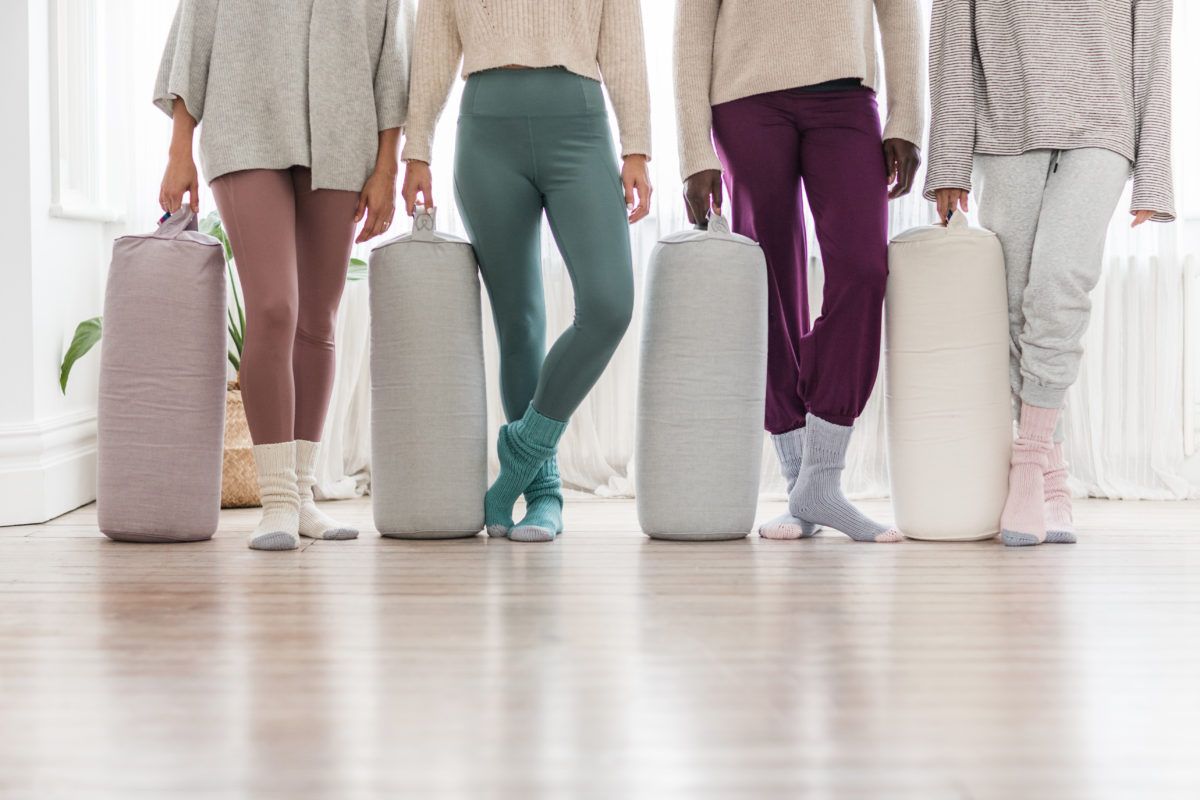 4 min readA yoga bolster pillow is a popular prop used in various yoga practices to aid in relaxation, support different yoga poses, and provide additional comfort during practice. It is a versatile and useful accessory that can enhance your yoga experience.
-
 5 min readWhen buying a snowboard helmet, it is crucial to ensure that it fits correctly to provide maximum protection. Here are some tips on how a snowboard helmet should fit:Size: Choose a helmet that matches your head size. Measure your head circumference using a measuring tape, and refer to the manufacturer's size chart to find the appropriate helmet size. Snug but not tight: The helmet should fit snugly around your head, but it should not be too tight.
-
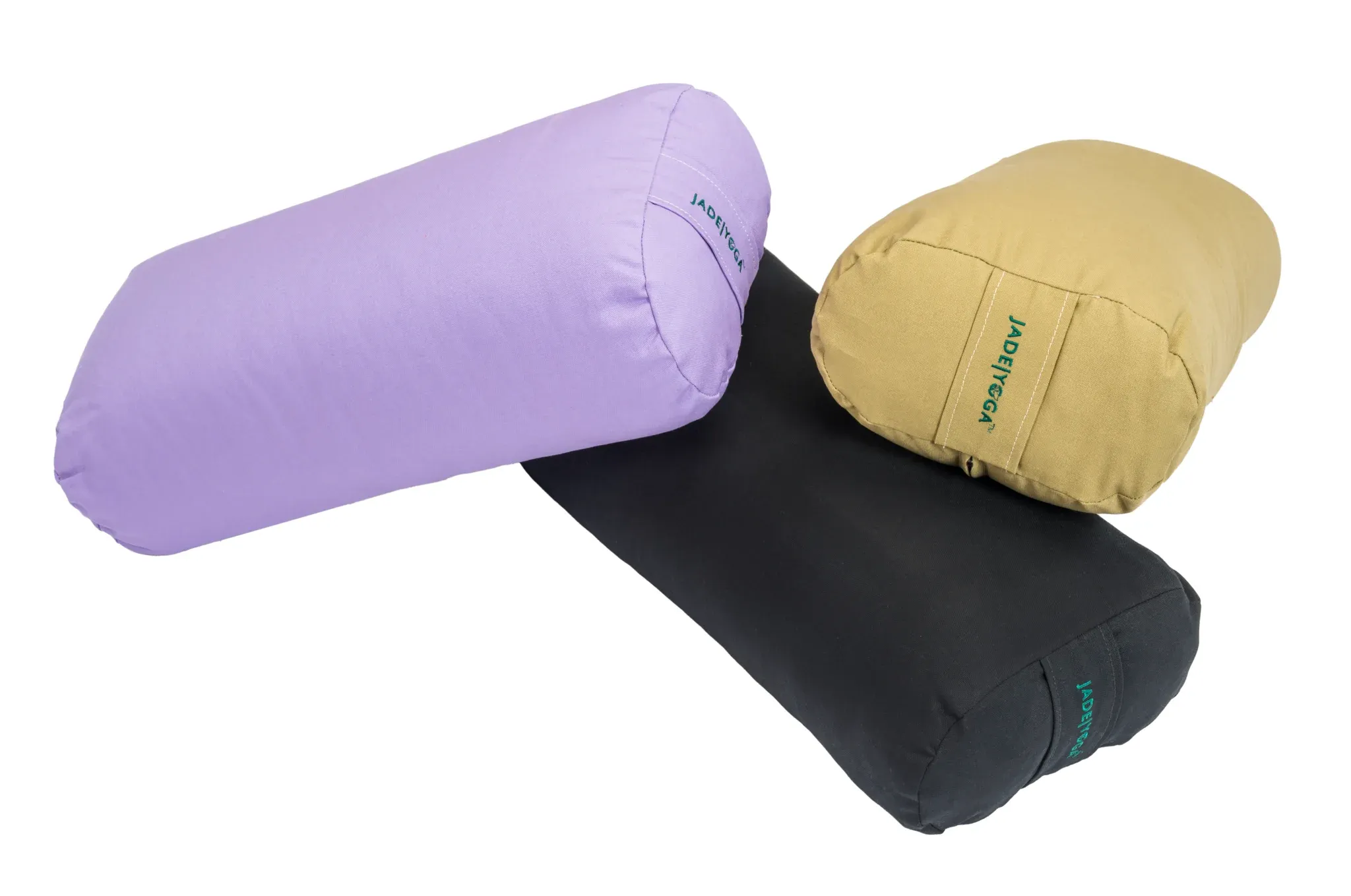 7 min readA yoga bolster pillow is a specifically designed prop used in yoga practice. It is a cylindrical-shaped pillow that provides support and enhances various yoga poses. The primary purpose of a yoga bolster pillow is to help improve alignment, aid relaxation, and deepen stretches.
-
 5 min readSnowboarding helmets vary widely in terms of price. The cost typically depends on factors such as brand, design, features, and additional technologies incorporated into the helmet.Entry-level snowboarding helmets can range anywhere from $50 to $100. These helmets offer basic protection and functionality, but may not include advanced features or the highest level of comfort.Mid-range snowboarding helmets usually fall in the range of $100 to $200.
-
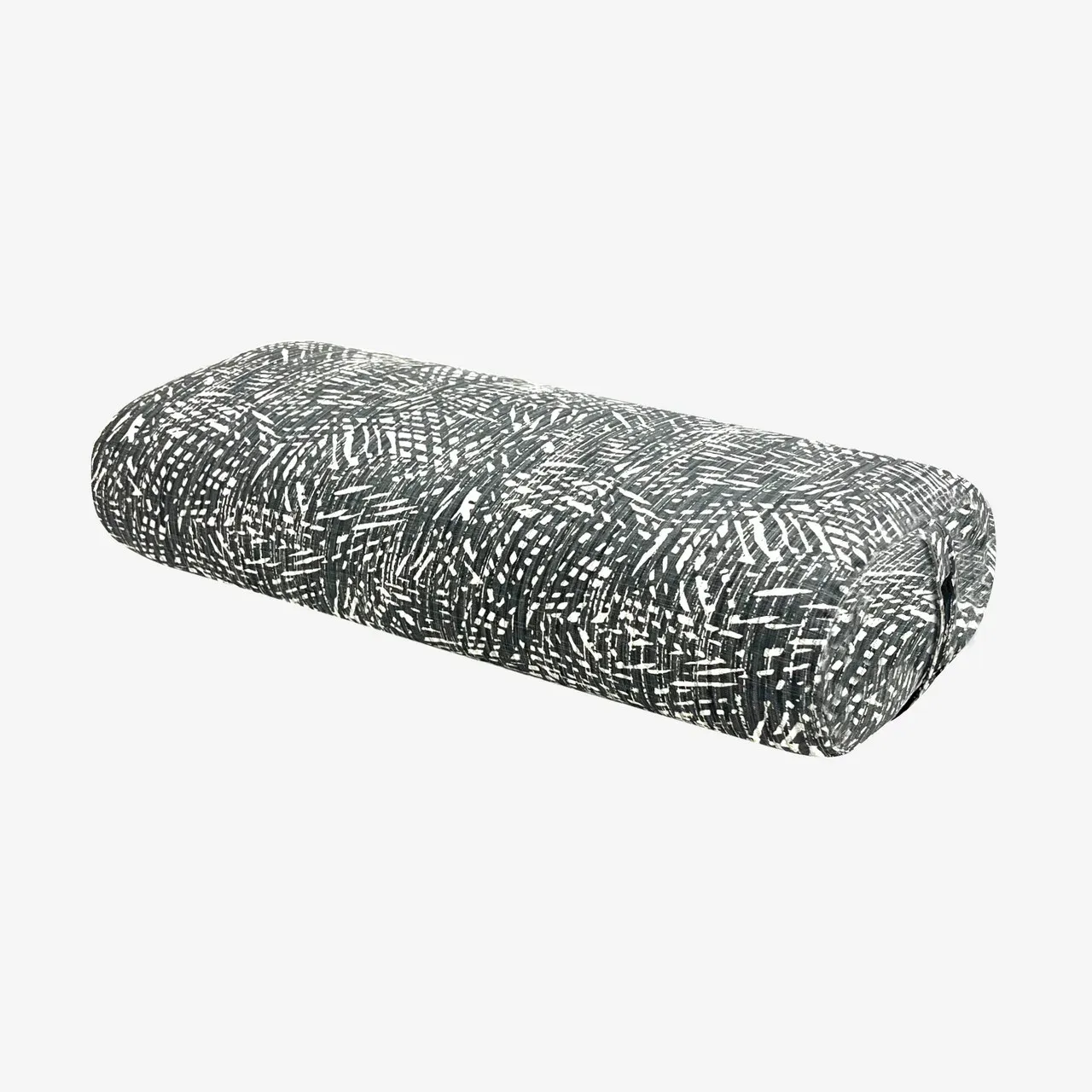 6 min readYoga bolsters pillows are commonly used props in yoga practice, providing support and comfort during various poses and stretches. These bolsters are typically designed as cylindrical-shaped cushions with firm yet pliable construction.
-
 9 min readWhen it comes to choosing the best snowboard helmet, there are a few factors to consider. The primary function of a snowboard helmet is to protect your head from impact during falls or collisions while providing comfort and functionality.One important factor to consider is the helmet's safety certification. Look for a helmet that meets the safety standards set by organizations such as ASTM International or the International Ski Federation (FIS).
-
 8 min readWhen it comes to buying a snowboard helmet, there are a few important factors to consider to ensure you make the right choice.Sizing: Start by measuring the circumference of your head, just above your eyebrows, to determine the correct helmet size. It's important that the helmet fits snugly but not too tight. Safety standards: Look for a helmet that meets the necessary safety standards, such as ASTM F2040 or CE EN 1077. This ensures the helmet provides adequate protection.
-
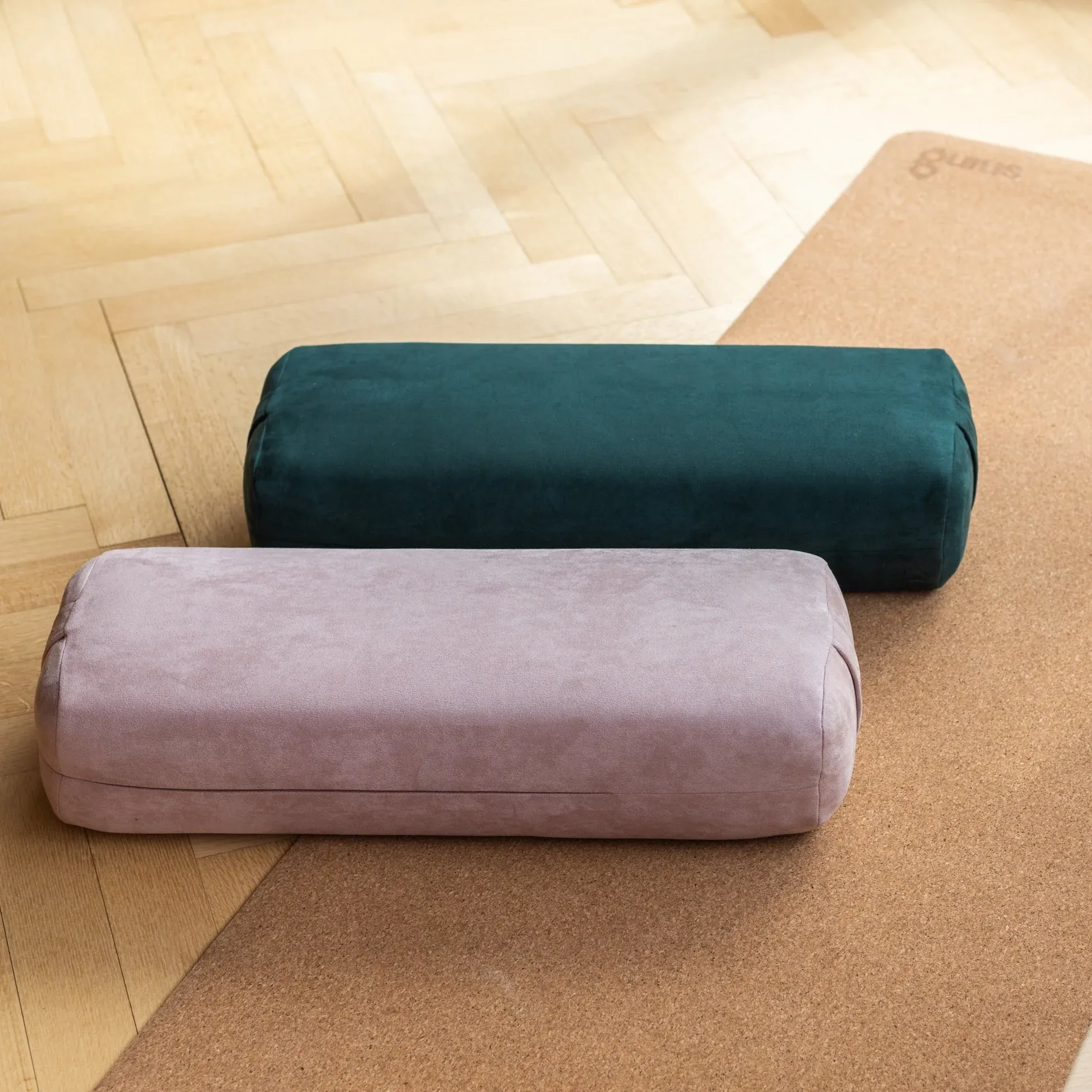 6 min readA yoga bolster pillow is a prop commonly used in yoga practice to support and enhance various postures. It is a long, supportive pillow filled with dense stuffing and typically covered in a durable fabric. There are several ways to utilize a yoga bolster pillow during your yoga practice.
-
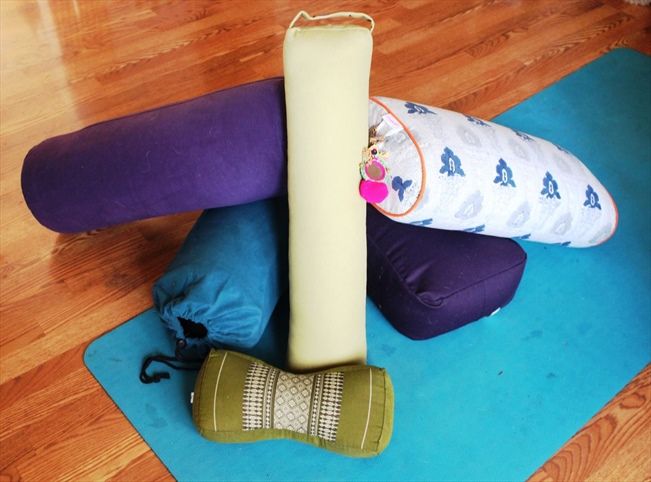 7 min readUsing a yoga bolster pillow can greatly enhance your yoga practice by providing support, comfort, and stability in various poses. Here are some ways to effectively use your yoga bolster pillow:
-
 6 min readWhen it comes to wearing a snowboard helmet, there are a few things you need to keep in mind. Here is some information to help you understand how to properly wear a snowboard helmet without using list items:Start by choosing the right helmet size: It's crucial to pick a helmet that fits you properly. Measure the circumference of your head with a tape measure just above your eyebrows and choose a helmet size accordingly. The helmet should fit snugly, neither too tight nor too loose.