Best Raspberry Pi to Buy in October 2026
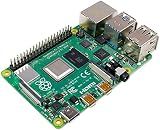
Raspberry SC15184 Pi 4 Model B 2019 Quad Core 64 Bit WiFi Bluetooth (2GB)
- QUAD-CORE CORTEX-A72 FOR POWERFUL PERFORMANCE AT 1.5GHZ.
- DUAL-BAND WI-FI AND BLUETOOTH 5.0 FOR SEAMLESS CONNECTIVITY.
- DUAL MICRO HDMI PORTS SUPPORT STUNNING 4K VIDEO OUTPUT.


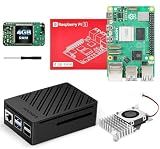
SANOOV Raspberry Pi 5 4GB Kit, 4GB RAM Single Board Computer with Active Cooler and ABS Case, Complete Raspberry Pi 5 Starter Kit for IoT Robotics Retro Gaming
-
ALL-IN-ONE KIT: INCLUDES EVERYTHING NEEDED FOR INSTANT RASPBERRY PI SETUP.
-
HIGH PERFORMANCE: ENJOY FAST 4K PLAYBACK AND ADVANCED COMPUTING TASKS.
-
EFFICIENT COOLING: ACTIVE COOLER ENSURES STABLE PERFORMANCE UNDER HEAVY LOADS.
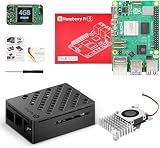
R∞RasTech Raspberry Pi 5 Kit 4GB RAM with Pi 5 Case,Active Cooler,Screwdrive and Pi 5 4GB Board Included
- ENHANCED PERFORMANCE: ENJOY 2-3X FASTER CPU & SUPERIOR GRAPHICS.
- COMPLETE KIT: COMES WITH COOLING CASE AND INSTALLATION TOOLS INCLUDED!
- VERSATILE CONNECTIVITY: DUAL USB 3.0 & 2.0 PORTS FOR SEAMLESS CONNECTIONS.
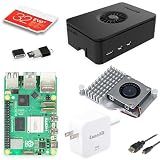
CanaKit Raspberry Pi 5 Essentials Starter Kit (8GB RAM)
- POWERFUL RASPBERRY PI 5: 64-BIT QUAD-CORE CPU & 8GB RAM
- PRE-LOADED 32GB MICROSD CARD + USB READER FOR INSTANT SETUP
- COMPLETE PACKAGE: CASE, POWER SUPPLY, AND 6FT 4K DISPLAY CABLE
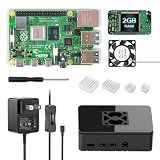
iRasptek Basic Kit for Raspberry Pi 4B 2GB RAM Included PI4 Case,5V 3A Power Supply,Cooling Fan and Heat-Sink
-
ALL-IN-ONE KIT-PERFECT FOR BEGINNERS, PROS, AND KIDS ALIKE!
-
4K STREAMING & DUAL-SCREEN SUPPORT-POWERFUL PERFORMANCE GUARANTEED!
-
HIGH-QUALITY COOLING SYSTEM ENSURES OPTIMAL PERFORMANCE & SAFETY.
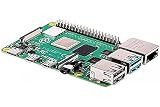
Raspberry Pi 4 Computer Model B 8GB Single Board Computer Suitable for Building Mini PC/Smart Robot/Game Console/Workstation/Media Center/Etc.
- EXPERIENCE PC-LIKE PERFORMANCE WITH THE RASPBERRY PI 4'S 1.5 GHZ CPU!
- DUAL 4K DISPLAY SUPPORT: ELEVATE YOUR VISUALS WITH STUNNING GRAPHICS!
- FASTER DATA TRANSFER WITH USB 3.0 AND GIGABIT ETHERNET FOR SEAMLESS USE!
In the ever-evolving world of technology, the Raspberry Pi continues to be a favored tool for IoT projects. Its versatility, affordability, and compact size make it ideal for a myriad of applications. As we approach 2025, programming a Raspberry Pi for IoT remains as relevant and crucial as ever. This article will guide you through the essentials of programming a Raspberry Pi for IoT projects, helping you choose the right model, and offering resources to sharpen your coding skills.
Understanding Raspberry Pi and IoT
Raspberry Pi is a series of small, single-board computers developed to educate and promote computer science. Its compatibility with various components makes it perfect for Internet of Things (IoT) projects. IoT, the network of interconnected devices that communicate with each other, has expanded our ability to control and automate devices in innovative ways-from smart home systems to industrial automation.
Choosing the Right Raspberry Pi Model
When selecting a Raspberry Pi for your IoT project, consider factors such as processing power, memory, and connectivity options. Here's a breakdown of some popular models and their features:
- Raspberry Pi 4 Model B: With up to 8GB RAM and a 1.5GHz 64-bit quad-core processor, perfect for complex IoT applications.
- Raspberry Pi Zero W: Compact and cost-effective, suited for simple IoT devices that require Wi-Fi connectivity.
- Raspberry Pi Pico: A microcontroller with RP2040 chip, ideal for low-power and time-sensitive IoT tasks.
Setting Up Your Raspberry Pi for IoT
-
Gather Required Components: You’ll need a Raspberry Pi, power supply, microSD card, and internet connectivity. Depending on your project, additional components like sensors or modules may be required.
-
Install the Operating System: Raspberry Pi OS is recommended due to its ease of use and compatibility. You can install it using the Raspberry Pi Imager tool.
-
Configure the Network: Ensure your Raspberry Pi is connected to the internet for updates and remote access. Wireless or Ethernet connections are common for IoT devices.
-
Program Your IoT Application: Use programming languages like Python, C, or JavaScript to handle sensor data, manage device operations, and facilitate communication between devices.
Improving Your IoT Programming Skills
Mastering the programming skills necessary for successful IoT projects involves continuous learning and practice. Here are some resources to help you along the way:
- Grasp Hard Coding Problems: Understanding fundamental coding concepts is crucial. Check out this article on hard coding problem concepts to strengthen your foundation.
- Practice Coding Effectively: Enhance your programming skills by following tips provided in this guide on how to practice coding effectively.
- Simplify Coding with Groovy: Streamline your code with Groovy builders, as explained in the discussion of what are Groovy builders and how do they simplify.
Getting Started with IoT Projects
Start with simple projects like home automation systems or data monitoring devices to gain confidence. Gradually, you can explore complex projects involving AI and machine learning, which add sophisticated capabilities to IoT devices.
Conclusion
Programming a Raspberry Pi for IoT in 2026 remains an exciting endeavor that combines creativity with technical expertise. By choosing the right model, setting it up adequately, and continuously improving your coding skills, you can create innovative IoT solutions that address real-world problems. Stay curious, keep experimenting, and embrace the transformative power of IoT technologies.