
Best Rust Programming Books in October 2026
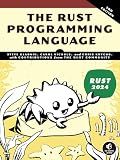
The Rust Programming Language, 3rd Edition


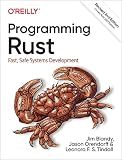
Programming Rust: Fast, Safe Systems Development
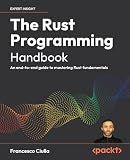
The Rust Programming Handbook: An end-to-end guide to mastering Rust fundamentals
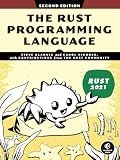
The Rust Programming Language, 2nd Edition
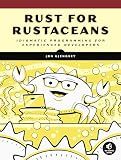
Rust for Rustaceans: Idiomatic Programming for Experienced Developers
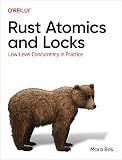
Rust Atomics and Locks: Low-Level Concurrency in Practice
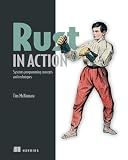
Rust in Action
Unleashing Maximum Performance: Ultimate Rust Algorithm Tips for 2026
Picture this: it's 2026, and Rust has cemented its place as a powerhouse in systems programming. Yet, even seasoned developers occasionally hit a wall when it comes to extracting optimal performance from their Rust code. The Ultimate Rust Algorithm Tips for Performance in 2026 are your golden ticket to pushing the boundaries of what your Rust code can achieve.
Why does this matter? In an era where milliseconds can make or break an application's competitiveness, squeezing out every drop of performance is crucial. By diving into the latest in Rust performance optimization, you'll transform your code from merely functional to blazingly efficient. This isn't just about saving time-it's about ensuring your projects remain competitive in a fast-paced tech environment.
Here's what you'll uncover: cutting-edge tips grounded in real-world experience, expert-level strategies for optimizing Rust algorithms, and an insider's glimpse at the trends reshaping Rust programming in 2026. Let’s dive in.
Key Features of Optimizing Rust Algorithms
In 2026, what exactly should you be focusing on to maximize Rust algorithm performance?
-
Ownership and Borrowing Mastery: Understanding Rust’s ownership model and borrowing system is crucial. Properly orchestrating data ownership can drastically reduce unnecessary copying, which leads to significant performance gains.
-
Efficient Memory Management: Leveraging Rust's low-level memory management capabilities, such as avoiding heap allocations when stack memory suffices and utilizing smart pointers judiciously, preserves system resources.
-
Concurrency Without Fear: Rust's unique approach to concurrency enables safe parallel processing. Embrace this by utilizing Rust's concurrency primitives, like
asyncandawait, to harness the full power of modern CPUs. -
Optimal Use of Crates and Libraries: The Rust ecosystem is rich with performance-enhancing crates. Regularly update and audit your dependencies to make sure you are not leaving performance on the table.
-
Compiler Flags and Profiling: Use Rust’s compiler optimizations (
-C opt-level=3) to fine-tune your code. Profiling tools likeperfcan provide insights into bottlenecks and pave the way for laser-focused optimizations.
Why These Tips Matter
Maximizing algorithm performance isn't just about writing fast code-it directly impacts user satisfaction, operational costs, and scalability.
-
Enhanced User Experience: Faster code execution means quicker response times, making your applications more responsive and enjoyable for users.
-
Cost Efficiency: Optimized code often uses fewer resources, reducing server costs and the need for extensive infrastructure.
-
Future-Proofing: Rust's growing adoption in domains like blockchain, gaming, and cloud services means your skills will be robust and relevant for years to come.
Pro Tips and Expert Recommendations
Unlock more with these tried-and-true techniques:
-
Leverage Rust’s Fearless Concurrency: Always double-check data races by using the
MutexandRwLockabstractions for seamless parallelism. Handling data correctly avoids unexpected behavior down the line. -
Explore Zero-Cost Abstractions: Rust provides powerful abstractions without the overhead. Understand when to use traits versus direct implementations for optimal abstraction.
-
Minimize Unsafe Code Blocks: While sometimes necessary, excessive use of
unsafecan lead to vulnerabilities and bugs. Limit their use only to absolutely necessary sections and thoroughly test them.
💡 Pro tip: When working on large projects, split code into smaller modules for better organization and easier caching management-this can significantly enhance compile times.
Getting Started: Steps to Boost Performance Today
-
Audit Your Current Code: Start with a thorough review of your existing codebase using Rust's built-in tools. Look for areas where resources aren’t efficiently used.
-
Rewrite Critical Paths: Focus on rewriting the most performance-critical sections using the techniques mentioned. Apply profiling tools such as
Cargo benchto assess improvements. -
Stay Updated with Rust's Evolution: The Rust community is vibrant and ever-evolving. Regularly read through rust file structures to keep abreast of new features that could enhance performance.
-
Consider Expert Training: If you consistently hit walls, investing in a rust programming book can deepen your understanding and proficiency in leveraging Rust’s full potential.
Closing Call-to-Action
You're now equipped with the Ultimate Rust Algorithm Tips for Performance in 2026. The next step is yours: apply these insights to your projects, and watch as they transform in speed and efficiency. Remember, in the fast-moving world of tech, staying ahead is about continuous learning and adaptation. Start applying these tips today and ensure your Rust projects are not just keeping pace but leading the charge in performance.
Frequently Asked Questions
What are the main benefits of optimizing Rust code in 2026?
Optimizing Rust code enhances user experience with faster response times, reduces operational costs by making resource use more efficient, and ensures your applications can scale effectively to meet future demands.
How does Rust's concurrency model improve performance?
Rust's concurrency model offers safety without sacrificing performance by using ownership and type systems to prevent data races, allowing you to more confidently deploy parallel processing.
Is using unsafe Rust code a bad practice?
Using unsafe Rust allows you to bypass some safety checks, which can speed up execution, but it can introduce bugs and vulnerabilities. It's best used sparingly and only when necessary.
Can migrating from Rust to another language impact performance?
Yes, transitioning languages can have significant performance implications. Consider the technical nuances of each language. For some insights on changing languages, read more about rust vs java migration.
What's the default integer type in Rust, and how does it affect performance?
The default integer type in Rust is i32. However, for performance-specific needs, adjusting to other types like usize can align better with system architecture, especially in loops and heavy computations. Learn more about integer types here.