
Best Pimple Patches to Buy in October 2026
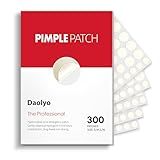
Daolyo Pimple Patches for Face, 4 Size 300 Counts Hydrocolloid Acne Patches
-
🌿 SUPERIOR ADHESION: STAYS IN PLACE ALL NIGHT, NO IRRITATION!
-
🌿 NATURAL INGREDIENTS: PACKED WITH TEA TREE OIL AND SALICYLIC ACID.
-
🌿 300 PATCHES IN MULTIPLE SIZES: PERFECT FIT FOR EVERY BREAK-OUT!


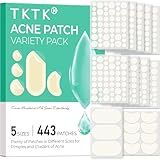
TKTK 443 Count Pimple Patches for Face, Hydrocolloid Acne Cover Patch Bulk
-
ULTIMATE VARIETY: 443 PATCHES IN 5 SIZES FOR ALL BREAKOUT TYPES!
-
ADVANCED HYDROCOLLOID: NON-IRRITATING AND FRAGRANCE-FREE FOR ALL SKIN!
-
FAST ACTING: CLEARS PIMPLES IN JUST 6 HOURS AND EASY TO APPLY!
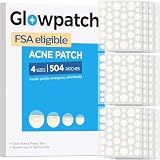
Glowpatch 504 Counts 4 Sizes Hydrocolloid Pimple Patches for Face
-
MASSIVE VALUE: GET 504 PATCHES-10X MORE THAN COMPETITORS!
-
PERFECT FIT: 4 SIZES PER SHEET FOR ANY PIMPLE, NO EXTRA SHEETS NEEDED.
-
FAST RESULTS: MINIMIZES REDNESS IN JUST 6-8 HOURS-PIMPLE BE GONE!
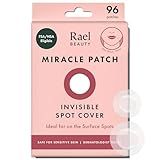
Rael Miracle Invisible Spot Cover Hydrocolloid Acne Pimple Patches (96 Ct)
- MEDICAL-GRADE HYDROCOLLOID: ABSORBENT, HYPOALLERGENIC CARE.
- INVISIBLE COVERAGE: BLENDS WITH ALL SKIN TONES SEAMLESSLY.
- ALL-DAY WEAR: STAYS PUT, PROTECTING BLEMISHES FROM IRRITANTS.
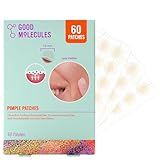
Good Molecules Pimple Patches, Hydrocolloid Patches for Face, 60 Count
- DISCREET ULTRA-THIN PATCHES FOR INVISIBLE ALL-DAY BLEMISH COVERAGE.
- ABSORBS IMPURITIES & REDUCES PIMPLES IN JUST 6-8 HOURS.
- GENTLE, DRUG-FREE FORMULA SUITABLE FOR ALL SKIN TYPES.
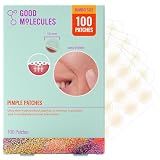
Good Molecules Pimple Patches for Face, 100 Pack – Ultra-Thin Hydrocolloid Patches, Invisible Under Makeup, Conceals Blemishes, Blackheads & Zits, Suitable for Acne-Prone Skin
- CONCEAL BLEMISHES WHILE ABSORBING IMPURITIES FOR FLAWLESS SKIN.
- ULTRA-THIN PATCHES WON’T STICK, PERFECT FOR MAKEUP LAYERING!
- GENTLE, DRUG-FREE SOLUTION FOR ALL SKIN TYPES-DAILY WEAR FRIENDLY!
As skincare continues to evolve, new products like hydrocolloid patches have gained popularity for their potential to treat acne effectively. While these patches are hailed as a miracle for immediate zit control, their effectiveness can differ based on individual skin types. Here we delve into the mechanisms of hydrocolloid patches and explore how they might work on diverse skin types.
What Are Hydrocolloid Patches?
Hydrocolloid patches are small, transparent dressings designed to cover and heal pimples. Originally used in medical settings for wound healing, they have been adapted for acne treatment. These patches work by absorbing excess fluid from pimples, creating a moist environment that promotes faster healing.
How Do Hydrocolloid Patches Work?
The mechanism behind hydrocolloid patches is rooted in their ability to maintain a moist environment on the skin's surface. This not only speeds up healing but also helps reduce inflammation and protect the skin from external bacteria and irritation. The patch draws out pus and impurities over several hours, often visibly shrinking zits overnight.
Do They Work for All Skin Types?
Oily Skin
For those with oily skin, hydrocolloid patches can effectively absorb excess sebum, reducing the risk of further breakouts in the treated area. However, it's important to ensure that the skin is clean before application to maximize their efficacy.
Dry Skin
With their moisture-retaining properties, hydrocolloid patches can be beneficial for those with dry skin. They help keep the affected area hydrated, minimizing irritation that is often exacerbated by other acne treatments.
Sensitive Skin
Individuals with sensitive skin may find hydrocolloid patches a gentler alternative to other acne treatments, which can sometimes cause redness and peeling. That said, it's always advisable to patch-test any new skincare product.
For more insights into sensitive skin needs, you might explore potential side effects of retinol night creams.
Combination Skin
For combination skin types, which deal with both oily and dry areas, hydrocolloid patches can offer targeted treatment. They can manage oil in the T-zone while being gentle on drier areas.
How to Choose the Right Hydrocolloid Patch
-
Size and Thickness: Opt for patches that cover the entire blemish and offer adequate thickness to absorb impurities.
-
Ingredients: While basic hydrocolloid patches are effective on their own, some also contain salicylic acid or tea tree oil for added benefits. Choose based on your skin’s sensitivity to these ingredients.
-
Brand Reputation: Research and select reputable brands that use high-quality materials. While specific brand recommendations aren't provided here, looking for dermatologist-approved options is a safe bet.
-
Patch Duration: Consider how long you need the patch to stay on. Some options work best overnight, while others are designed for shorter wear during the day.
For additional anti-aging skincare information, you may be interested in looking into ongoing anti-aging cream deals.
Conclusion
Hydrocolloid patches represent a versatile tool in the fight against acne, suitable for various skin types. Their ability to provide a protective barrier and promote quicker healing makes them a promising option in 2026. Like any skincare product, individual experiences may vary, and understanding your skin type is crucial to selecting the most effective product.
For unrelated insights, such as how long it takes to make ice cream in a machine-useful for learning about patience and timing in processes-visit making ice cream duration.
By arming yourself with knowledge about your skin type and the specific benefits of hydrocolloid patches, you can make informed decisions to tackle acne more effectively.